 Eovara Pets
Pomsky: Personality, Care, Health Problems, and Is This Husky-Pomeranian Mix Right for You?
Learn what it's really like to own a Pomsky, including personality, size, exercise, grooming, diet, common health issues, and ideal owners.
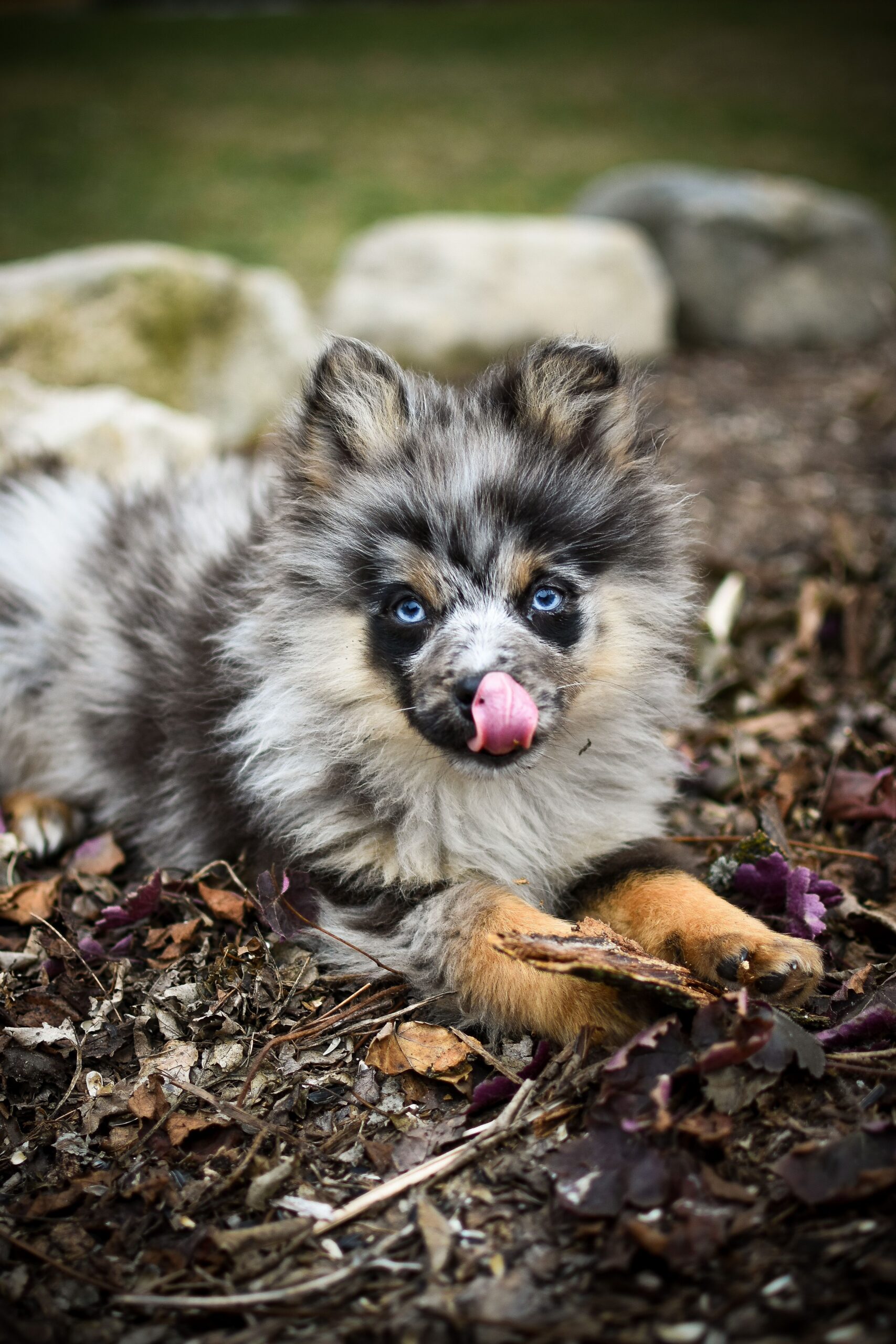
The Pomsky, also known as the Pomeranian Husky mix, is a cross between a Pomeranian and a Siberian Husky. With a fluffy coat, pointed ears, expressive eyes, and a miniature-Husky appearance, Pomskies have become one of the most recognizable designer dogs.
But there is an important detail potential owners should understand:
A Pomsky is not simply a “mini Husky.”
Because it is a relatively new crossbreed, Pomskies can vary considerably in size, appearance, temperament, energy level, and health. Some may behave more like a Pomeranian, while others inherit much more of the Husky’s independence and energy. Purina specifically notes that the traits of this cross are not yet fully established and that owners should be prepared for considerable variation.
That unpredictability is both part of the appeal—and one of the biggest things to consider before getting one.
Curious about other unique small-to-medium breeds? Check out our Dachshund breed guide as well.
1. Pomsky Breed Overview
What Is a Pomsky?
A Pomsky is a cross between:
- Pomeranian
- Siberian Husky
The Pomsky is a designer crossbreed rather than an established purebred dog, so there is no single universally accepted breed standard for size, appearance, or temperament.
This matters when you’re researching Pomsky puppies.
Two puppies from different Pomsky litters can look surprisingly different. One might be a tiny, fox-like dog weighing around 10–15 pounds, while another can be substantially larger and more Husky-like.
PetMD currently gives a broad adult weight range of approximately 12–35 pounds, illustrating just how much variation exists.
Where Did the Pomsky Come From?
Pomskies are a relatively new type of designer dog.
The first intentionally bred Pomsky litters appeared in the United States around 2012, with artificial insemination used because of the enormous size difference between a Siberian Husky and a Pomeranian. A typical first-generation pairing uses a female Husky and a male Pomeranian.
The idea became popular because people wanted something with the distinctive appearance and personality of a Husky in a smaller package.
However, “small Husky” is an oversimplification.
Genetics don’t work like mixing two paint colors. A Pomsky can inherit very different combinations of traits from its two parents.
Pomsky Size
There is no completely predictable adult size for a Pomsky.
A commonly reported range is approximately:
- Height: 10–15 inches
- Weight: roughly 10–35 pounds
Some Pomskies are genuinely small dogs, while others are closer to a small-to-medium-sized dog.
If you’re buying a puppy, don’t rely solely on its current size.
Ask the breeder about:
- The parents’ size
- The generation of the Pomsky
- Previous litters
- Expected adult weight
- Health testing of both parents
Pomsky Lifespan
A typical Pomsky lifespan is estimated at approximately 12–15 years.
Because the Pomsky is still a relatively young crossbreed, however, long-term breed-specific health data is more limited than it is for established breeds.
That means owners should be careful about websites that make overly confident claims such as “Pomskies are healthier than both parent breeds.”
There simply isn’t enough long-term evidence to make that conclusion universally.
2. Pomsky Personality and Temperament
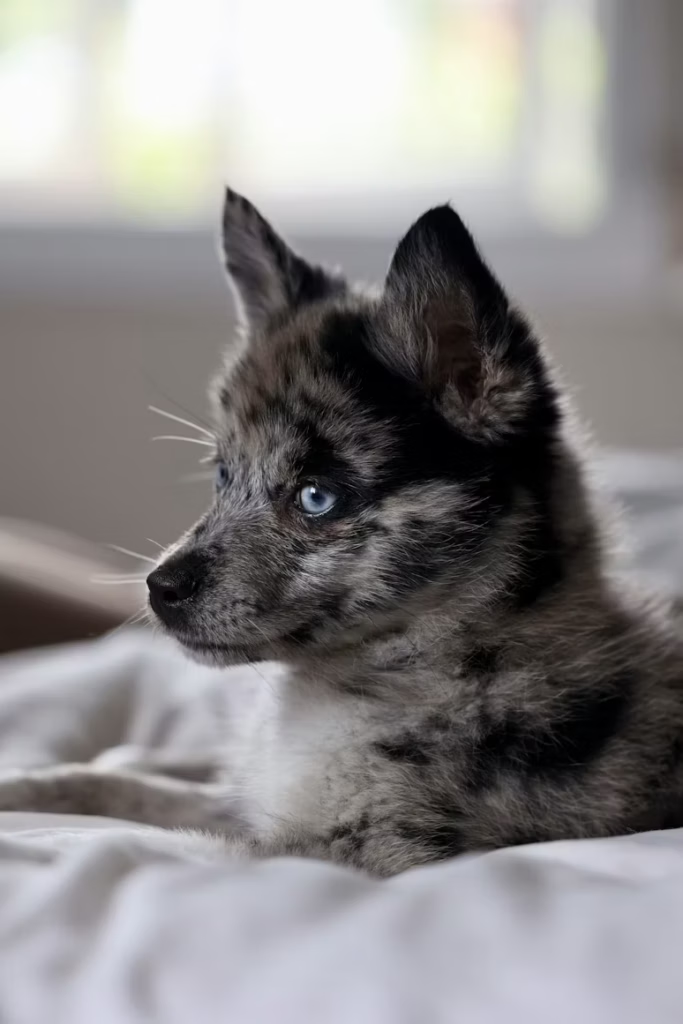
The Pomsky’s personality is one of the most interesting—and unpredictable—parts of the breed.
They can inherit the Pomeranian’s:
- Confidence
- Alertness
- Affection
- Small-dog boldness
and the Siberian Husky’s:
- Independence
- Athleticism
- Curiosity
- Vocal nature
- Strong desire for exploration
The result can be an extremely entertaining dog.
But entertaining doesn’t always mean easy.
Are Pomskies Smart?
Yes.
Both parent breeds are intelligent, and Pomskies are generally quick learners.
The problem is that intelligence and obedience are not the same thing.
A Pomsky may understand exactly what you want and still decide that it has a better idea.
Purina describes Pomskies as intelligent but potentially challenging to train because the Husky side can contribute independence and a lower willingness to simply obey commands. Reward-based training and patience are recommended.
This is one reason Pomskies tend to do best with owners who actually enjoy training their dogs.
Are Pomskies Affectionate?
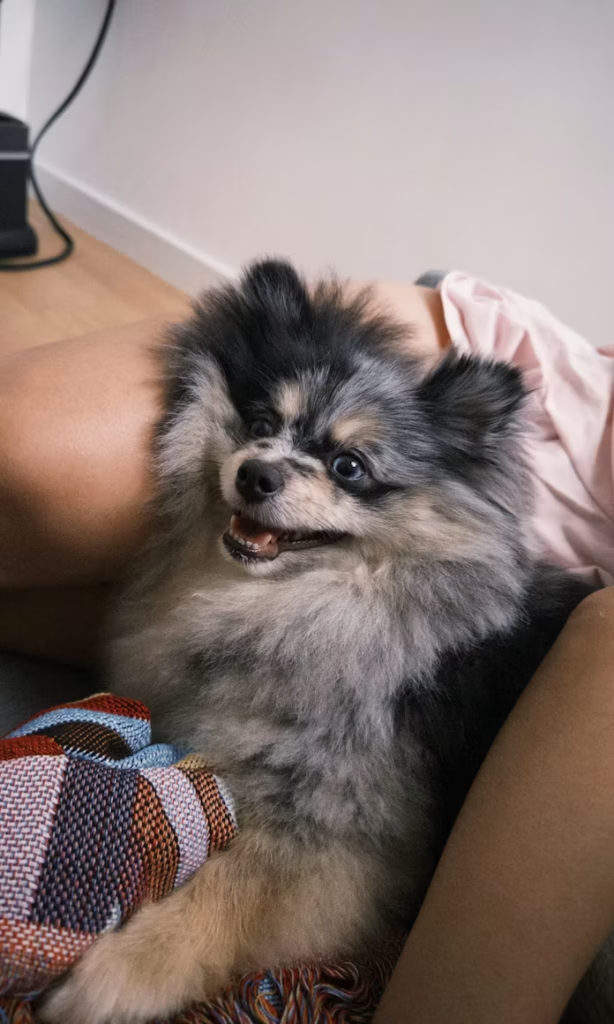
Usually, yes.
Both parent breeds can form strong relationships with their humans, and Pomskies often enjoy being involved in family life.
However, this also means they may not be ideal for someone who works extremely long hours away from home.
PetMD notes that Pomskies need human interaction and that boredom can contribute to behavioral problems.
What About Barking and Howling?
This is another trait potential owners shouldn’t overlook.
A Pomsky can inherit the Pomeranian’s tendency to bark and the Husky’s tendency to vocalize, howl, or “talk.”
So if you live in an apartment with noise-sensitive neighbors, don’t assume a Pomsky’s small size means it will be quiet.
Are Pomskies Good With Children?
They can be good family dogs, particularly with older children who understand how to interact with dogs respectfully.
But because Pomskies vary considerably in size and temperament, there isn’t a universal answer.
Early socialization is important, and young children should always be supervised around dogs.
3. Daily Pomsky Care
How Much Exercise Does a Pomsky Need?
This is where the Pomsky’s Husky heritage becomes important.
Their exercise requirements can vary substantially.
Purina notes that the difference between the exercise needs of the two parent breeds makes Pomsky requirements difficult to predict. Some may be comfortable with roughly an hour of activity per day, while others can demand considerably more.
A practical starting point for a healthy adult Pomsky is around 45–60 minutes of daily physical activity, adjusted according to age, size, health, and individual energy level.
Activities can include:
- Walking
- Hiking
- Fetch
- Training games
- Scent games
- Puzzle toys
- Agility-style activities
Don’t forget mental exercise.
A bored Pomsky can find its own entertainment—and owners don’t always appreciate the entertainment it chooses.
Pomsky Diet and Feeding
There is no special “Pomsky diet” that every dog needs.
A good starting point is a complete and balanced commercial dog food appropriate for the dog’s age, size, and activity level.
PetMD recommends choosing a complete and balanced diet and notes that additional supplements generally aren’t necessary unless specifically recommended by a veterinarian.
The bigger issue is portion control.
Because Pomskies can range from very small dogs to considerably larger ones, feeding should be based on the individual dog’s:
- Current weight
- Body condition
- Age
- Activity level
- Food’s calorie density
Avoid feeding simply according to appearance.
That fluffy coat can make it surprisingly difficult to judge whether a Pomsky is gaining too much weight.
Pomsky Grooming: How Often Should You Brush One?
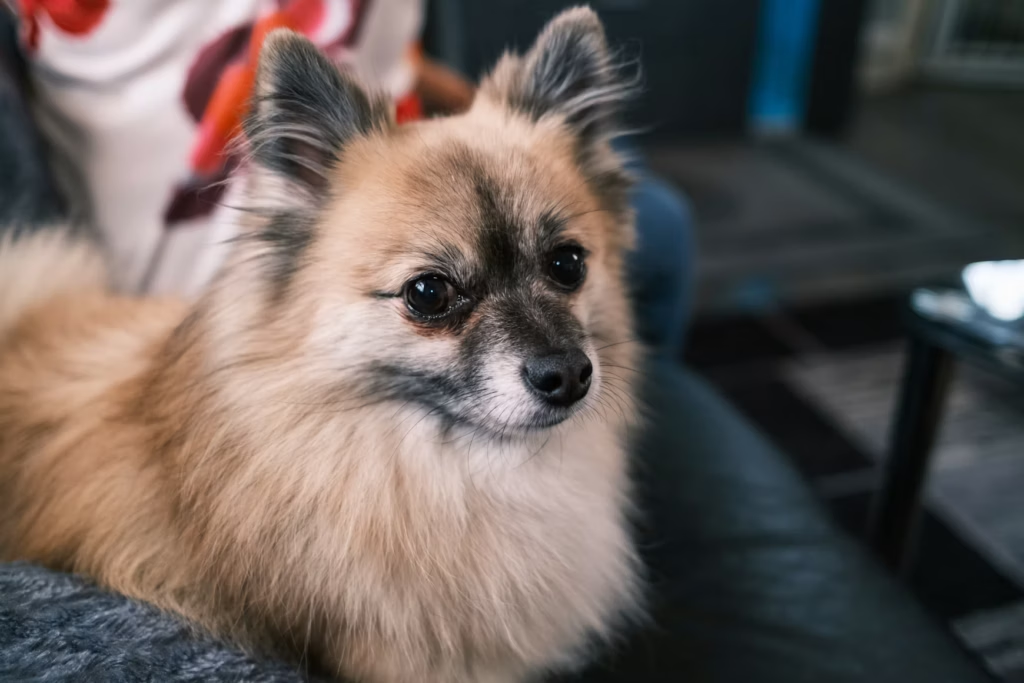
If you don’t like dog hair, think carefully before getting a Pomsky.
Pomskies generally have a dense double coat inherited from their Spitz/Husky ancestry.
PetMD reports that most Pomskies need brushing two to three times per week, with additional grooming during seasonal shedding periods.
During heavy shedding seasons, you may need to brush much more frequently.
Pay particular attention to:
- Behind the ears
- Around the neck
- Armpits
- Back of the legs
- Tail
- Undercoat
A slicker brush and an appropriate undercoat tool can be useful.
Should You Shave a Pomsky?
Generally, no.
A double coat provides insulation and helps protect the skin from the environment. Shaving should not be treated as a routine way to make a fluffy dog easier to manage.
If the coat becomes severely matted or there is a medical reason for clipping, consult a professional groomer or veterinarian.
4. Common Pomsky Health Problems
One important caveat comes first:
There isn’t enough long-term health data to produce a definitive list of “Pomsky diseases.”
Because the cross is relatively new, much of what we know comes from the health problems seen in the parent breeds and from emerging Pomsky health surveys. PetMD specifically points out that there is limited data on breed-specific health problems.
Some conditions worth discussing with your veterinarian include:
Patellar Luxation
Patellar luxation means the kneecap moves out of its normal position.
This is particularly relevant because Pomeranians are among the breeds commonly affected by patellar luxation.
The American Pomsky Kennel Club’s health survey reported luxating patellas as the most frequently reported specific health issue, accounting for about 10% of reported issues in its January 2024 dataset. The organization also cautions that the survey depends on owner-submitted information and shouldn’t be interpreted as a definitive prevalence study.
Possible signs include:
- Limping
- Skipping while walking
- Bunny-hopping
- Intermittent lameness
Hip Dysplasia
Hip dysplasia can occur in dogs of many sizes and breeds.
Because Siberian Huskies can be affected by hip problems, responsible breeding should include appropriate orthopedic screening.
Purina recommends health testing the parent breeds, including hip evaluation for Siberian Huskies and patellar evaluation for Pomeranians.
Eye Problems
Both parent breeds have potential inherited eye conditions, so eye health should be part of responsible breeding decisions.
Potential concerns may include:
- Cataracts
- Progressive retinal disorders
- Other inherited eye conditions
If you’re purchasing a puppy, ask the breeder what health testing was performed on both parents, rather than accepting a general statement such as “the puppies are healthy.”
Dental Problems
The smaller Pomeranian side can contribute to dental crowding and other oral-health concerns.
Regular tooth brushing and veterinary dental checks are therefore worthwhile, especially for smaller Pomskies.
Allergies and Skin Problems
Some Pomskies may experience allergies or skin irritation.
The American Pomsky Kennel Club’s survey reported allergies among the more frequently submitted health concerns, although again, its figures are based on voluntary owner reports rather than a controlled veterinary prevalence study.
5. Who Is a Pomsky Best For?
A Pomsky may be a good choice if you:
- Want a highly interactive companion
- Enjoy daily walks and outdoor activities
- Like training and teaching tricks
- Don’t mind regular grooming and shedding
- Can spend plenty of time with your dog
- Are comfortable with some personality unpredictability
- Don’t require a completely quiet dog
A Pomsky may not be the best choice if you:
- Want a low-maintenance dog
- Work away from home for most of the day
- Don’t want to deal with shedding
- Want a dog that is extremely easy to train
- Need a consistently quiet apartment dog
- Want a predictable adult size and temperament
The Most Important Thing to Understand
The biggest mistake a potential Pomsky owner can make is choosing one based entirely on appearance.
The miniature-Husky look is undoubtedly appealing, but the personality and care requirements matter much more once the puppy comes home.
Purina’s advice is particularly relevant here: prospective owners should be prepared for a Pomsky that may inherit substantially more Husky or Pomeranian traits than expected.
6. Pomsky FAQ
Are Pomskies good apartment dogs?
They can be, provided they receive enough daily exercise and mental stimulation. Their potential vocal nature, however, can be a problem in apartments with strict noise restrictions.
How big does a Pomsky get?
Adult Pomskies can vary considerably. A commonly reported range is around 10–35 pounds and 10–15 inches, although individual dogs can fall outside those ranges.
How long do Pomskies live?
A typical estimated lifespan is around 12–15 years.
Are Pomskies hypoallergenic?
No. Pomskies have a double coat and shed, sometimes heavily. They should not be considered a hypoallergenic breed.
Do Pomskies shed a lot?
Yes. Their dense double coat can produce significant shedding, particularly during seasonal coat changes.
How often should you brush a Pomsky?
Most Pomskies benefit from brushing two to three times per week, with more frequent brushing during heavy shedding periods.
How much exercise does a Pomsky need?
Many adult Pomskies need approximately 45–60 minutes or more of activity per day, but the actual requirement varies considerably between individuals.
Are Pomskies easy to train?
They’re intelligent, but not always easy to train. Their Husky heritage can contribute independence and stubbornness. Positive reinforcement and consistency are important.
Are Pomskies good for first-time dog owners?
It depends. A first-time owner who enjoys training, exercise, grooming, and learning about dog behavior can potentially do very well with a Pomsky. Someone looking for an easy, low-maintenance first dog may want to consider another breed.
Are Pomskies good with cats?
They can be, but don’t assume they automatically will be. Their individual temperament and prey-drive tendencies can vary. Introductions should be gradual and supervised.
Do Pomskies get along with other dogs?
Many can, particularly when properly socialized from an early age. However, individual temperament matters more than the breed label.
Do Pomskies bark or howl?
They can do both. A Pomsky may inherit the Pomeranian’s alert barking and the Husky’s distinctive vocal behavior.
Can Pomskies be left alone all day?
Generally, this isn’t ideal. They tend to be social, active dogs that benefit from regular human interaction. Long periods of isolation can contribute to boredom and unwanted behavior.
Are Pomskies high maintenance?
In some ways, yes. Their exercise requirements can be moderate to high, they need regular grooming, they can be vocal, and training requires consistency.
Do Pomskies need professional grooming?
Not necessarily, but professional de-shedding can be useful during heavy shedding seasons. Routine brushing at home remains important.
Can Pomskies live in hot weather?
They can live in warm climates, but their thick double coat means owners need to be careful about overheating. Exercise should be adjusted during hot weather, with access to shade, water, and a cool environment.
Are Pomskies healthier than Huskies or Pomeranians?
There isn’t enough evidence to make that claim. As a relatively new crossbreed, Pomskies don’t yet have the decades of health data available for many established breeds. Some inherited conditions from either parent can still occur.
What health tests should a Pomsky breeder perform?
Ask about health screening for both parent breeds, rather than only asking whether the Pomsky puppies have been checked by a veterinarian. Orthopedic and eye screening are particularly relevant based on the health considerations of Pomeranians and Siberian Huskies.
Is a Pomsky a real breed?
Pomsky is generally used to describe a Pomeranian × Siberian Husky cross, rather than an established purebred recognized by major kennel clubs such as the AKC. Its physical and behavioral characteristics are therefore less standardized than those of established breeds.
Final Thoughts: Should You Get a Pomsky?
The Pomsky is undeniably cute—but cute is probably the least important thing to consider.
You’re potentially getting a dog with:
Pomeranian confidence + Husky independence + high intelligence + a thick double coat + unpredictable genetics.
That can produce an incredibly fun, affectionate, and entertaining companion.
It can also produce a dog that barks, sheds, demands attention, tests your patience during training, and needs considerably more exercise than its fluffy appearance suggests.
If you’re looking for a small-to-medium companion that keeps you active and involved, and you’re comfortable with some unpredictability, a Pomsky could be an excellent match.
If what you really want is “a small Husky that is easy to maintain,” however, a Pomsky may not be what you’re imagining.
Research the parents, not just the puppy. That’s probably the single most useful advice for anyone considering this crossbreed.
If you’re comparing designer breeds, our Bernedoodle guide covers a much larger Poodle mix with its own set of grooming and health considerations, or take a look at our Dachshund guide for something smaller and more independent.
Suggested Authoritative References
- PetMD — Pomsky Dog Breed Health and Care
- Purina — Pomsky Breed Information
- American Pomsky Kennel Club — Is a Pomsky Right for Me?